
Essential Photography Gear: My Top Picks for Every Canon Creator
Photography is more than just capturing moments; it’s about having the right tools that help bring your vision to life. Whether you’re a hobbyist or a seasoned creator, the gear you rely on can make a big difference in your workflow and the quality of your images. Here, I share my top used photography items that have proven reliable and practical through countless shoots. These essentials cover everything from capturing dreamy portraits to safely storing your work and staying powered up on the go.

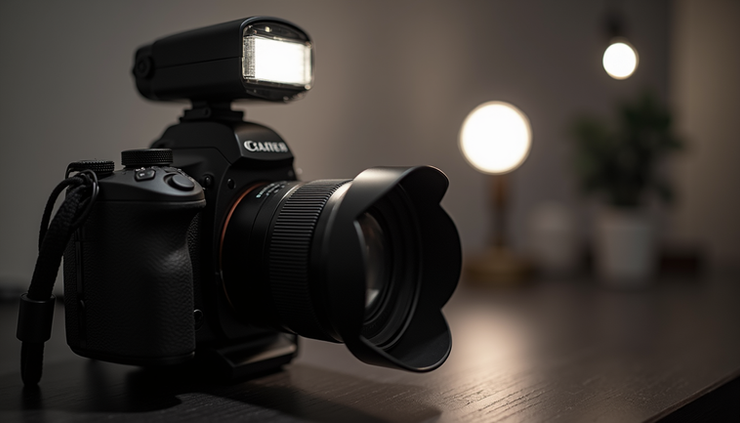
The foundation of any photographer’s kit is a camera body you can trust. For me, reliability means consistent performance, durability, and excellent image quality. I use a full-frame camera that handles low light well and offers fast autofocus. This camera never lets me down, whether I’m shooting portraits, landscapes, or events.
When choosing your camera body, consider factors like sensor size, autofocus speed, and weather sealing. These features ensure you can shoot confidently in different conditions without worrying about technical hiccups. Investing in a camera that feels intuitive and comfortable to use also speeds up your workflow.
I am pro Canon but several great full frame camera bodies out there.
Fast Prime Lens for Dreamy Portraits
A fast prime lens is my go-to for creating portraits with a soft, dreamy background. I use a 50mm f/1.8 lens that delivers sharp focus on the subject while beautifully blurring the background. This lens is lightweight, affordable, and perfect for capturing natural light portraits.
Prime lenses with wide apertures allow more light to hit the sensor, which helps in low-light situations and gives you creative control over depth of field. If you want to experiment with different looks, consider primes in the 35mm to 85mm range. Each focal length offers a unique perspective and style.
Backing up your photos is non-negotiable. I rely on a portable external hard drive with at least 2TB of storage to keep my files safe. After every shoot, I transfer images to the drive and organize them by date and project. This system protects me from losing valuable work due to computer crashes or accidental deletion.
Look for hard drives with fast transfer speeds and durable builds. Some models offer shock resistance, which is handy if you travel often. Using multiple backup methods, like cloud storage alongside physical drives, adds an extra layer of security.
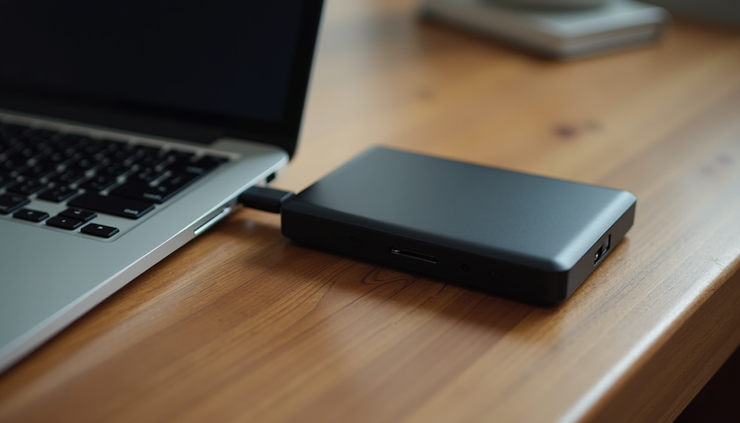
Transferring photos quickly and safely is essential. I use an SD card reader that supports high-speed transfers and works seamlessly with my computer. It’s compact and reliable, which means no frustrating delays or corrupted files.
When choosing a card reader, check compatibility with your memory cards and computer ports. USB-C readers are becoming standard and offer faster speeds. A trusted reader helps keep your workflow smooth, especially when handling large RAW files.
Lightroom for Editing and Organizing
Editing is where your photos come to life. I use Lightroom for both editing and organizing my images. Its user-friendly interface and powerful tools let me adjust exposure, color, and sharpness with precision. The catalog system keeps my photos sorted by keywords, ratings, and collections, making it easy to find specific shots later.
Lightroom also supports batch editing, which saves time when working with multiple images from the same shoot. For those new to editing, Lightroom offers presets that can jumpstart your creative process.
Natural light isn’t always available or ideal. An external flash helps me control lighting in challenging situations. I use a compact flash unit that can swivel and bounce light, creating softer shadows and reducing harsh highlights.
Using flash off-camera with a wireless trigger opens up creative possibilities. You can add fill light, highlight details, or create dramatic effects. Learning to balance flash with ambient light improves your portraits and event photos significantly.
Carrying your gear comfortably is often overlooked but crucial. I use a camera bag designed with padded compartments for my camera body, lenses, flash, and accessories. It fits everything I need without being bulky, and the ergonomic straps make long shoots easier on my shoulders.
Choose a bag that suits your shooting style. Some prefer backpacks for hiking and travel, while others like messenger bags for quick access. Look for weather-resistant materials to protect your gear from rain or dust.
Portable Charger Because Dead Batteries Are Not the Vibe
Running out of battery during a shoot is frustrating. I always carry a portable charger that can recharge my camera batteries, phone, and other devices. This small power bank keeps me going through long days without access to outlets.
When selecting a portable charger, check its capacity and output ports. Some chargers can power multiple devices at once, which is handy when you’re juggling camera gear and communication tools.
(These are affiliate links that might earn commissions.)
Comments